
Sustainability as Signal of Truth: Aligning Ethical Sourcing with Higher Multiples in a Conscious Luxury Market
In the evolving luxury jewellery landscape of 2026, sustainability has shifted from a nice-to-have marketing angle to a core driver of consumer trust, regulatory compliance, and—crucially—enterprise valuation. Consumers, particularly Millennials and Gen Z entering prime buying power, demand verifiable proof that their high-value pieces align with ethical and environmental values. Regulators are tightening scrutiny through evolving ESG frameworks, supply chain transparency mandates, and nature-related disclosures. Greenwashing risks now carry severe reputational and financial penalties, while brands that deliver genuine traceability command measurable premiums.
The global sustainable jewellery market reflects this momentum. Projections show it growing from around $31 billion in 2025 to over $65 billion by 2033, with a CAGR of approximately 9.7%. Ethical and eco-conscious segments are expanding faster than the broader market, driven by consumer willingness to pay more—surveys indicate 60-73% of buyers prioritize sustainability, with many accepting price premiums for aligned products. In luxury specifically, provenance and responsible sourcing now influence 20-30% of fine jewellery sales decisions, turning transparency into a direct valuation multiplier.
This is where Diamond Stack’s integration with tools like Nivoda API handshakes and immutable ledgers becomes transformative. Nivoda, a leading B2B diamond and gemstone marketplace, emphasizes ethical practices through adherence to the Kimberley Process, mine-to-market traceability initiatives (including partnerships with TRACR for blockchain-backed tracking), and rigorous quality controls that exclude conflict-linked or questionable sources. Its platform provides access to certified, conflict-free diamonds with real-time data on origin, certification, and supply chain steps—often including detailed provenance from rough sorting to polishing.
Diamond Stack builds on this by layering immutable ledgers (via the Atelier Ledger and Heritage Graph) to create verifiable ethical chains. Every transaction or milestone—sourcing via Nivoda API, ethical certifications, low-impact mining data, or conflict-free verifications—gets timestamped and recorded on a tamper-proof blockchain. This eliminates opacity: no more relying on paper certificates that can be forged or narratives that invite skepticism. Instead, buyers (private clients, collectors, or acquirers) access machine-readable proof of responsible origins, reduced environmental impact, and full traceability from mine to wearer.
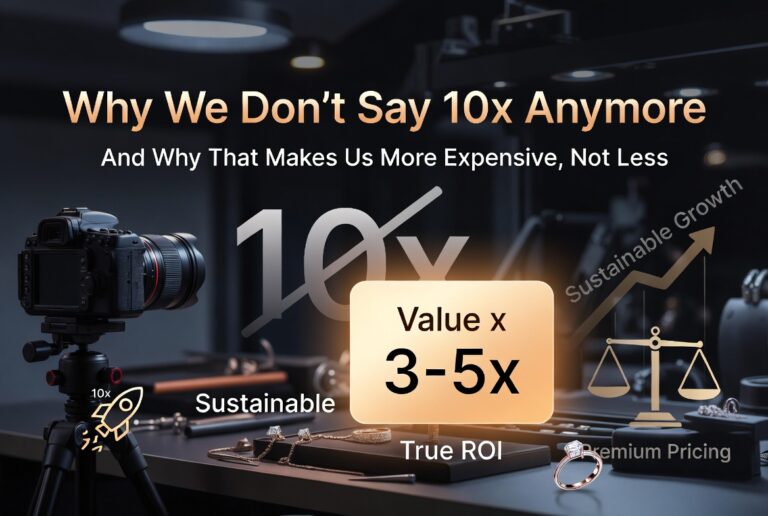
The result? Greenwashing risks vanish. Traditional ateliers face discounts from buyers wary of unverified claims amid rising ESG pressures (e.g., EU carbon disclosure mandates or TNFD expectations for nature impacts). Diamond Stack-enabled studios flip this: verifiable ethical signals reduce perceived risk, attract conscious luxury buyers willing to pay premiums (often 10-30% more for traceable pieces), and position the brand as future-proof. In acquisitions or valuations, this translates to higher multiples—proven resilience in supply chains, documented goodwill from sustainability moats, and lower exposure to regulatory or reputational hits.
Transparency here isn’t mere compliance—it’s a competitive edge and valuation driver. Ethical sourcing via immutable ledgers creates antifragile equity: pieces appreciate with documented stories (e.g., low-impact origins boosting resale), client loyalty deepens through trust, and the atelier commands premium positioning in the conscious luxury segment. As ESG becomes central to resilience and value creation (with 88% of CEOs noting a stronger business case), Diamond Stack ateliers don’t just meet demands—they lead, turning sustainability signals into enduring, higher-valuation reality.