
Trust Architecture: Engineering E-Commerce Environments That Convert R200k+ Strangers
In 2026, the baseline requirements for e-commerce security have fundamentally shifted. A standard SSL certificate or a generic “Secure Checkout” badge pasted into a website footer is no longer a conversion driver; it is an invisible commodity. When a high-net-worth individual is preparing to execute a R200,000+ EFT or initiate a split-card transaction on a website they discovered via a Google search yesterday, standard security signals are grossly insufficient.
To bridge the gap between initial discovery and high-ticket conversion, bespoke jewellers and diamond wholesalers must stop relying on superficial marketing tactics and begin engineering Trust Architecture.
Trust Architecture is the deliberate, forensic integration of technical, visual, and operational signals designed to eliminate buyer anxiety at the point of sale. It requires a profound intersection of web architecture, API integrations, cryptographic security, and consumer psychology. If your platform is relying on static images and standard WooCommerce or Shopify templates to sell six-figure stones, you are actively leaking conversions. Here is how to engineer an environment that converts strangers into high-ticket clients.
Dynamic Verification: Moving Beyond Static PDFs
The most critical asset in luxury diamond e-commerce is the grading report. Yet, the overwhelming majority of digital jewellers handle this critical trust signal with alarming technical laziness: they upload a static PDF of a GIA or IGI certificate and link it to a button on the product page.
From a Trust Architecture perspective, a static PDF is essentially useless to a discerning buyer. PDFs are easily manipulated, quickly outdated, and offer zero interactive proof of current validity. In an era where digital spoofing is rampant, high-net-worth buyers inherently distrust unverified files.
The architectural solution is the implementation of Dynamic Certification API Pulls.
Instead of hosting a static file, your product page architecture must query the grading laboratory’s database in real-time.
- The Technical Execution: When a user lands on a specific diamond’s page, your server executes an API call to the GIA, IGI, or EGL South Africa database using the stone’s unique certification number.
- The User Experience: The API returns the live grading data, which is then rendered into an interactive, native certificate viewer directly within your UI—or within a secure iframe.
- The Conversion Impact: This real-time validation mathematically proves to the user that the stone is legitimate, currently registered, and exactly as described. By integrating this dynamic pull directly into the checkout summary right above the “Complete Order” button, you dramatically reduce last-minute cart abandonment.
Immutable Provenance & Digital Passports
The definition of luxury has evolved from mere aesthetics to include absolute transparency regarding origin and ethical sourcing. The traditional supply chain relies on paper trails and verbal assurances, which are no longer sufficient for the modern high-ticket buyer.
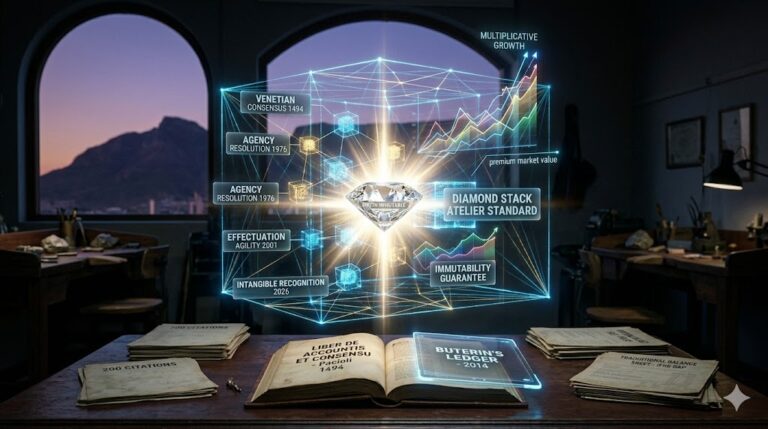
Forward-thinking jewellers are establishing an unassailable trust layer by integrating blockchain technology directly into their e-commerce ecosystems through the use of Digital Passports.
This is not a cryptocurrency gimmick; it is a rigorous application of cryptographic security.
- Smart Contract Integration: By leveraging Solidity smart contracts deployed on efficient, low-gas networks like Polygon Layer 2, a bespoke jeweller can mint a unique cryptographic token (an NFT) that represents the physical diamond or bespoke ring.
- Immutable Data: This token acts as a Digital Passport, storing immutable proof of provenance, rough origin, cutting history, and ownership records directly on the blockchain.
- The UX Application: Instead of merely stating “Ethically Sourced,” the product page features a verifiable blockchain explorer link. Upon purchase, this Digital Passport is transferred to the buyer’s secure wallet. This provides a mathematically unforgeable chain of custody, elevating the purchase from a simple retail transaction to the acquisition of a cryptographically secured asset.
Sovereign Hosting and “Forensic” Security
Consumer trust is intrinsically linked to technical performance. A website that takes five seconds to load a live diamond feed, or one that features misaligned layout shifts during the checkout process, subtly signals instability to the user. A slow site is subconsciously perceived as a vulnerable site.
You cannot build trust on rented, bloated architecture. This is why Diamond Stack advocates for the Sovereign Stack—an architectural philosophy rooted in complete ownership and forensic technical hygiene.
- E-E-A-T and Performance: Google’s E-E-A-T (Experience, Expertise, Authoritativeness, and Trustworthiness) algorithms heavily factor in technical performance. If your site relies on shared hosting or bloated third-party JavaScript apps (common in standard Shopify setups) to render diamond feeds, your authority plummets.
- Server Isolation: A Sovereign Stack utilizes dedicated server resources with airtight data isolation. By building custom database tables to handle massive 100,000+ SKU feeds independently of your core WordPress tables, you ensure lightning-fast database queries.
- The Psychological Impact: When a R250,000 product page loads instantly, with zero layout shift and immediate API responsiveness, it projects massive institutional authority. Forensic site speed is the ultimate unspoken trust signal.
Logistics UX & CPA-Compliant Transparency
If a user believes your diamond is authentic and your payment gateway is secure, the final psychological hurdle is transit. Shipping anxiety is the silent killer of luxury conversions. Standard e-commerce language like “Free Delivery in 3-5 Days” creates panic when the item in question is a bespoke engagement ring.
To engineer trust, your logistics and legal compliance must be hardcoded directly into the user interface.
- Integrated Logistics Badges: Do not hide your shipping methods on a separate FAQ page. Your checkout flow must explicitly feature recognized, high-security logistics partners. Displaying badges for RAM Hand-to-Hand Couriers, Brinks, or Ferrari Logistics immediately communicates that you treat their purchase as a high-value asset, not a standard parcel.
- Dynamic Tracking Integration: The post-purchase experience must include real-time, dynamic tracking integrated into a secure client portal on your domain, reducing the need for panicked customer support emails.
- CPA-Compliant Transparency: High-ticket buyers read the fine print. In the South African context, ambiguity regarding refunds on custom CAD designs versus loose diamonds destroys trust. Your checkout architecture must feature a dynamic policy generator that explicitly outlines return conditions in strict alignment with the South African Consumer Protection Act (CPA). Forcing the user to actively acknowledge these clear, legally sound terms via an unskippable checkbox right before payment actually increases trust by demonstrating professional rigor.
The New Standard of Luxury E-Commerce
Trust is no longer a byproduct of brand reputation; it is an engineered technical layer. In a highly competitive digital landscape where AI overviews and zero-click searches are eroding traditional top-of-funnel traffic, the brands that survive will be those that offer an uncompromising, frictionless, and mathematically secure transactional environment.
Relying on generic platform architectures to handle bespoke, high-value operations is a fundamental miscalculation. You must own your data, secure your provenance, and architect a digital environment that makes wiring R200,000 to a new brand feel like the safest decision a consumer could make.
Is your e-commerce architecture leaking high-ticket conversions due to poor trust signals? Contact Diamond Stack today for a forensic technical audit. We build Sovereign Stacks equipped with advanced API verification layers, engineered exclusively for the luxury jewellery sector.